1843
Doc #1843-AFProclamation
Anglo-Franco Proclamation
Joint declaration by Britain and France recognising Hawaiian independence as a sovereign and independent state.
Source: British Foreign Office Archives; French Ministère des Affaires étrangères.
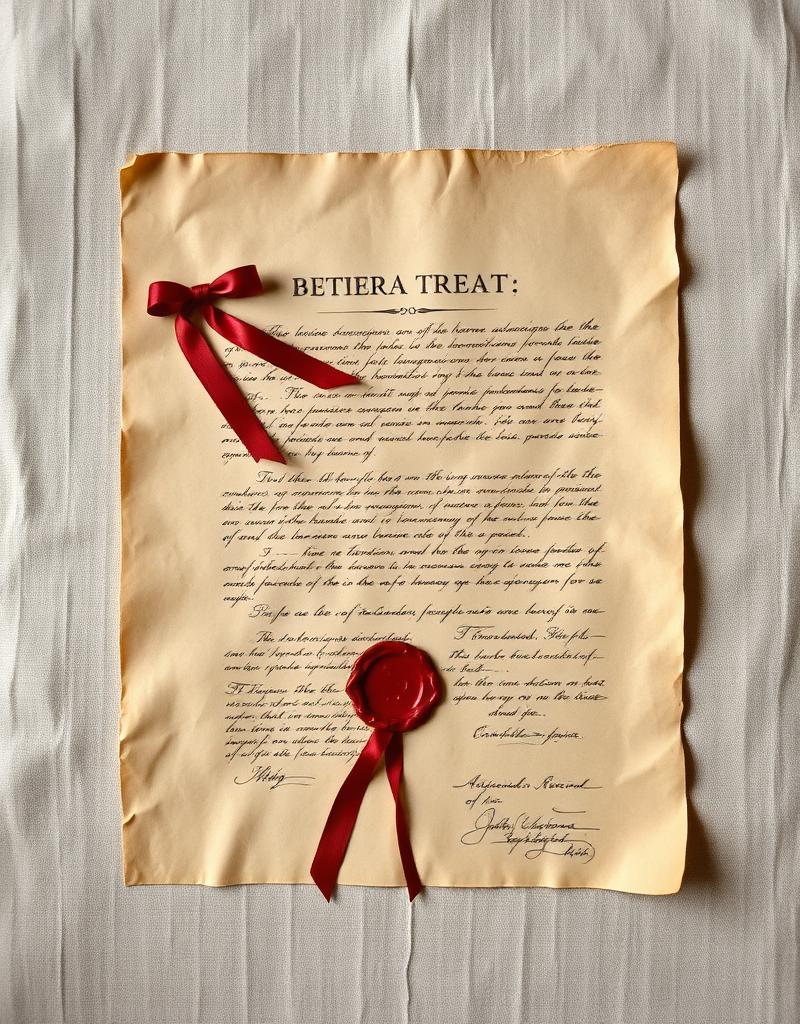
Doc #1849-BTreaty
Treaty of Friendship, Commerce & Navigation
Bilateral treaty between the United States and the Hawaiian Kingdom establishing reciprocal recognition and commerce.
Source: U.S. National Archives, Treaty Series 161.
1887
Doc #1887-BCStatute
Constitution of the Kingdom ("Bayonet")
Imposed under threat of armed force on King Kalākaua; dramatically curtailed monarchical authority and disenfranchised most Native Hawaiian and Asian subjects.
Source: Hawaiʻi State Archives, M-93.
1893
Doc #1893-LQProclamation
Protest of Queen Liliʻuokalani
The Queen yields her authority to the United States — not the Provisional Government — under protest, pending review by the President of the United States.
Source: U.S. State Department, Foreign Relations of the United States, 1894 App. II.
1893
Doc #1893-BRReport
Blount Report
An executive-branch investigation, not a court ruling. Special Commissioner James Blount concluded that U.S. Minister Stevens and U.S. forces improperly assisted the overthrow. President Cleveland described the events as an act of war and a substantial wrong. The 1894 Morgan Report, a Senate investigation, later reached contrary conclusions concerning U.S. responsibility.
Source: U.S. House Executive Document 47, 53d Cong., 2d Sess.
Doc #1897-PPetition
Kūʻē Petitions
21,269 signatures collected by the Hui Aloha ʻĀina opposing annexation; presented to the U.S. Senate, contributing to the defeat of the proposed annexation treaty.
Source: U.S. National Archives, Record Group 46.
1898
Doc #1898-NRStatute
Newlands Resolution
Joint resolution of Congress annexing the Hawaiian Islands, passed during the Spanish–American War after two annexation treaties failed in the Senate. Annexation was carried out through a domestic joint resolution rather than a ratified bilateral treaty. Hawaiian continuity / international-law argument: sovereignty-continuity advocates argue that domestic U.S. legislation could not by itself transfer title to the territory of an independent foreign state. U.S. domestic-legal position: United States law treats the Newlands Resolution and subsequent Organic Act, Admission Act, and governmental exercise of authority as legally effective.
Source: 30 Stat. 750.
1900
Doc #1900-OAStatute
Hawaiian Organic Act
Establishes the Territory of Hawaiʻi and the framework of territorial government.
Source: 31 Stat. 141.
1959
Doc #1959-AAStatute
Hawaiʻi Admission Act
Provides for admission of Hawaiʻi as a state and transfers certain federal lands to the state for the benefit of the public, including Native Hawaiians.
Source: Pub. L. 86-3, 73 Stat. 4.
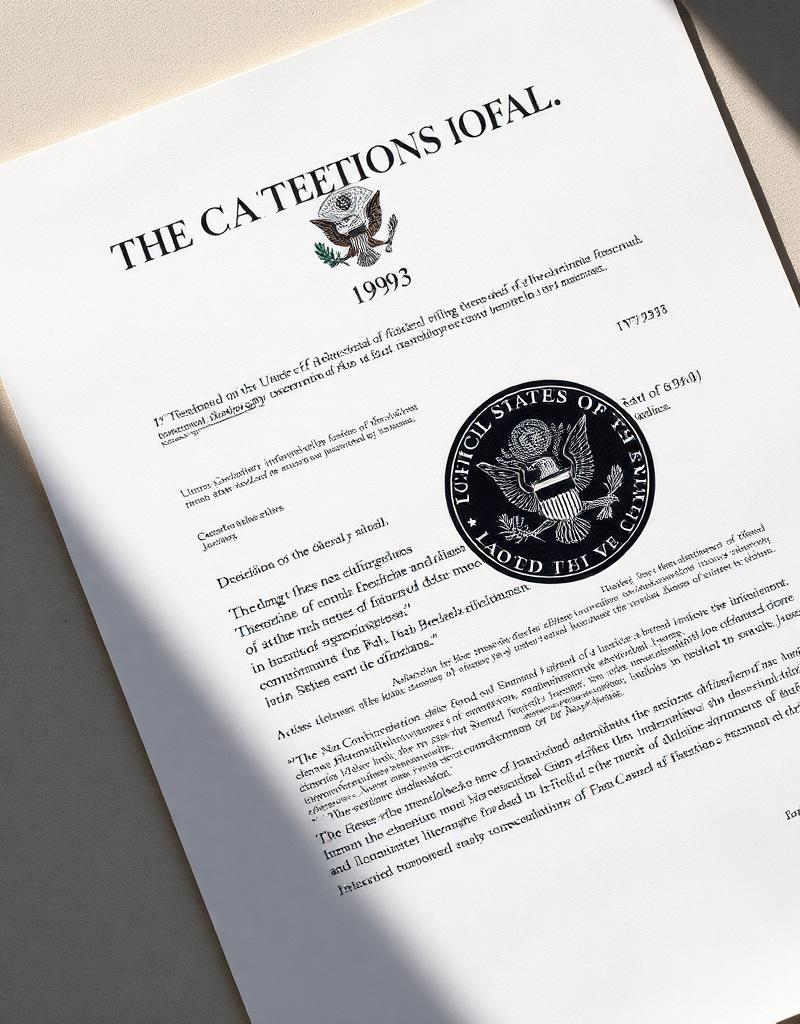
Doc #1993-AStatute
Apology Resolution (Public Law 103-150)
Joint resolution acknowledging the "illegal overthrow" of the Kingdom of Hawaiʻi and apologising on behalf of the United States.
Source: Pub. L. 103-150, 107 Stat. 1510.